Okay, so check this out—I’ve been digging into physical custody options for years. Whoa! The market keeps throwing shiny USB devices and Ledger-like dongles at us, but the smart-card approach feels different. My first impression was: small card, big promise. Seriously? It seemed too simple at first. My instinct said somethin’ was off about the marketing hype, though actually, when I started using one in real life the convenience hit me hard.
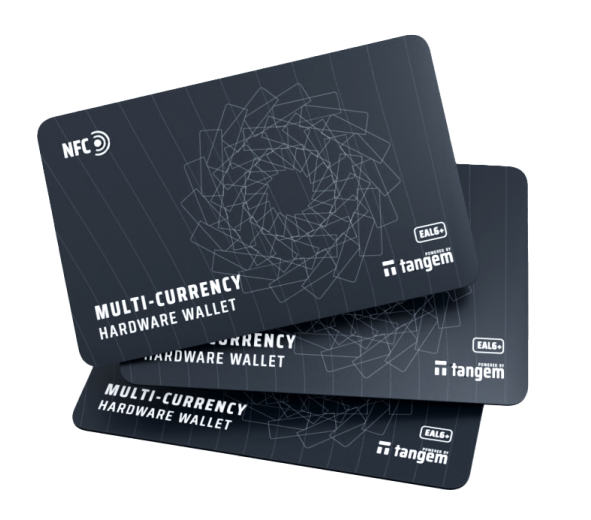
Cold storage used to mean paper or bulky hardware. Not anymore. Smart-card wallets compress private keys into a credit-card-shaped form factor that you can slip into a wallet, use with NFC on your phone, and still keep air-gapped signing for critical transactions. This blend of physical permanence and cryptographic security matters in ways that often get underplayed. I’m biased, but I think it’s the most user-friendly cold option for a lot of people—especially folks who don’t want to babysit a seed phrase every month.
Here’s the thing. At first I thought smart cards were just a gimmick. Initially I thought hardware wallets had to be complex to be secure, but then realized that reducing attack surface matters more than adding features. On one hand, more features mean more vectors; on the other hand, cards force discipline. They store keys in a secure element and only sign—no apps, no scripts, nothing unnecessary. That pared-down model appeals to the slow, analytical part of me.
A quick, practical rundown
Whoa! Short list first. The pros: portability, offline key storage, NFC convenience, and physical durability. The cons: fewer advanced features compared to full-blown device ecosystems, and you rely on the vendor for firmware and manufacturing integrity. Hmm… those trade-offs made me reevaluate what I really need. If you’re holding a small-to-moderate portfolio and want a simple, secure way to manage keys, this might be a sweet spot.
I used a card for a year as a secondary cold key and it changed how I think about daily management. My routine became: check portfolio on phone, prepare a transaction, tap the card to sign, broadcast from phone. Quick. Less stress. And that NFC handshake is oddly satisfying—like tapping a commuter card, but it’s money. I’m not 100% sure why that tactile cue matters, but it does.
Security-wise, smart cards generally use a certified secure element that resists extraction attempts. That’s big. The private key never leaves the chip. You can pair it to a mobile app, but the key signing stays inside the card. Of course, physical security still matters: lose the card, and depending on your backup method, you could be in trouble. Many systems pair a secure element with a recoverable backup strategy—seed cards, multi-sig, or a backup card in a safe deposit box. Consider that as your plan B.
Something else bugs me about the ecosystem: too many people treat “cold storage” like a single checkbox you tick once. It isn’t. Cold is a practice and a system. You need a threat model and a plan for recovery, transfers, and estate considerations. Short-term convenience without long-term resilience is risky. Very very risky.
How the tech actually works (without the fog)
Smart-card wallets typically rely on three pillars: the secure element, a signing protocol, and a way to interact with the device (NFC or USB). The secure element is a hardened chip that stores the private key and carries out cryptographic operations internally. The phone or computer prepares a transaction and sends it to the card for signing. The card signs and returns the signature. That’s it. No keys exported, no persistent connection.
At this point some readers will say: “But what about supply-chain risk?” Good question. Initially I assumed devices were trustworthy; then I read more and actually got paranoid. Reality check—manufacturers with strong transparency, audited firmware, and visible supply controls reduce that risk substantially. You’re not bulletproof, but you’re materially safer. For a practical pick, look into vendors with published security reports.
Okay—quick tangent (oh, and by the way…)—if you’re storing a very large stash on a single card, please don’t. Spread risk. Use multisig if you can. A single point of failure is still a single point of failure, even if it’s a very nice card.
Where smart cards shine, and where they don’t
They shine in daily usability. Picture this: you’re at a café, you review a small withdrawal on your phone, tap your card, done. No cables. No fumbling. For frequent, low-risk transactions, cards make sense.
Longer thought here: for institutional or very-high-value custody, multi-device approaches remain preferable, because they mix geographic separation and independent failure modes. Cards can be one leg of a broader system, though, and they play that role well when combined with additional offline backups and governance rules.
They don’t shine for advanced DeFi interactions that require multiple on-chain approvals, contract interactions, or running a suite of wallet apps. Some cards support general-purpose signing and multiple curves, but if you’re living in DeFi complexity you might prefer a software wallet integrated with hardware keys that expose broader functionality. On the flip side, if your primary need is secure BTC or major ERC-20 custody with occasional transfers, a smart card is a near-perfect fit.
Initially I thought smart cards would be niche. Then I watched adoption quietly grow among journalists, security-conscious developers, and road-weary travelers who liked the pocketability. My working conclusion: they’re not a replacement for every wallet. They’re a better alternative for many everyday safety-conscious users.
Buying and backup tips
Seriously? Buy a card from a trustworthy seller, not from second-hand markets. Check for audit reports. Confirm firmware version at setup and, if possible, verify cryptographic attestation. This sounds nerdy, but the UX on many modern card providers walks you through this. If you’re lazy like me, at least read the quick start guide—don’t skip the recovery setup.
Best practice: use a recovery method you can actually restore in a crisis. That may be a seed phrase printed on a durable medium, a secondary backup card stored elsewhere, or splitting recovery shares among trusted parties using Shamir-like approaches. Test your recovery plan (with small funds) before trusting it with large sums. I’m not kidding. Test it.
Also, think about estate planning. If something happens to you, how will heirs access the funds? A card locked away in a safe deposit box without instructions is basically a lost fortune. Include a legal plan.
One useful resource if you want to see a practical implementation of a smart-card hardware wallet is available here. Take a look. It helped me compare specs and figure out which features mattered for my use cases.
FAQ
Are smart cards truly “cold” devices?
Mostly yes. The private key remains in a secure element and signing happens on-device. However, the term “cold” is nuanced—pairing, firmware updates, and recovery methods influence how isolated the card stays.
What happens if I lose my card?
Depends on your backup. If you have a tested recovery plan (seed, backup card, multisig), you can restore. If not, the funds may be gone. So, prep backups and test them—seriously test them once.
Can smart cards handle multiple cryptocurrencies?
Many can handle popular chains and standards (Bitcoin, Ethereum, several EVM tokens). Check the card’s supported curves and firmware. Some vendors continually expand support, while others focus on a curated set.
Alright—final note. I started skeptical, got curious, and ended up incorporating a smart-card into my custody mix. That evolution felt natural: initial gut reaction, then methodical testing, followed by an “aha” where a simple habit change reduced friction and risk. I’m leaving space for uncertainty because nothing is perfect; vendors can improve, and attack techniques evolve. But for many people in the US and beyond, smart-card cold wallets offer a realistic, usable path to safer crypto custody. Try one out carefully. Maybe you’ll feel the same shift I did… or maybe you’ll find somethin’ better. Either way—stay pragmatic, and protect your keys.