

Okay, so check this out—wallets are more than just crypto vaults. Whoa! They’re the bridge between your browser and an entire on-chain world that moves fast and sometimes sloppy. My first impression was that browser wallets were convenience-first toys. But then I started using them daily for swapping, staking, and test flights on devnets. My instinct said: treat these tools like keys to a house, not just a phone app.
Phantom is the name most folks toss around when talking Solana browser extensions. It’s slick, fast, and integrates deeply with dApps. Seriously? Yep. But here’s the thing. Installation and setup are where most mistakes happen. On one hand the UX is friendly; on the other hand phishers and fake extensions make the landscape messy. Initially I thought a single-click install was harmless, but then I saw a fake extension impersonating the wallet — and that changed how I explain security to friends.
Why use a Solana browser extension?
Extensions let you sign transactions without moving funds to exchanges. They keep private keys local (in your browser), enabling seamless interactions with NFT marketplaces, DeFi protocols, and games. I’ll be honest—I like the instant feedback and the ability to switch accounts quickly. That convenience is huge for devs and collectors alike. But convenience has a cost, and that cost is your attention.
Quick list: faster confirmations; in-context signing; account switching; direct dApp integrations. Those are the wins. The downsides? Browser-level attack surface and accidental approvals. This part bugs me. People click “Approve” because they’re used to mobile app prompts. Don’t do that. Pause. Read the permission request. If somethin’ smells off, decline and inspect.
How to download and verify the real extension
Start here if you want a safe place to begin: here. Okay, one link—use it carefully. Seriously, use an official source and double-check the publisher name in the extension store. On Chrome and Chromium-based browsers, look for the verified badge and the correct developer name; on Firefox, check add-on reviews and publisher details. If the listing has few users or weird grammar in the description, that’s a red flag.
After installing: lock the extension with a password if supported, write down your seed phrase on paper (and stash it somewhere safe), and never paste the phrase into websites or search boxes. Repeat: never paste the seed phrase. Keep the seed offline. Consider a hardware wallet for high-value holdings. On one hand a browser wallet is convenient; though actually for cold storage you should prefer a hardware device.
Also, enable phishing protection and set up a separate browser profile for wallets. I do this—call me paranoid, but it’s practical. Use minimal extensions in that browser profile. Fewer extensions means fewer chances for a malicious one to intercept keystrokes or inject scripts. Oh, and by the way… update the extension regularly.
Common permission prompts — what to watch for
When a dApp asks to connect, it usually wants a read-only address access so it can show balances and request signings. That’s normal. But requests that say “sign arbitrary data” or ask to approve large token transfers en masse are cause for pause. On one hand, some legitimate dApps need broad permissions for batch operations; on the other hand, broad permissions can be abused. If you’re not expecting it, decline and ask the dApp team.
My rule of thumb: if you don’t understand why a permission is requested, decline. Then reach out to the dApp’s official channels. If support answers slowly or the official channels read like a ghost town, be careful. That’s a subtle signal that something could be wrong. I’m not 100% perfect here; I’ve clicked once and regretted it—and learned.
Practical tips for daily use
Keep small operational balances in your browser wallet. Move the bulk to cold storage. Use different accounts for different activities—one for trading, one for NFTs, one for testing. This compartmentalization reduces risk. Also, name your accounts inside the extension so you don’t confuse them during a hurried approval. It’s a tiny trick, but it saves headaches.
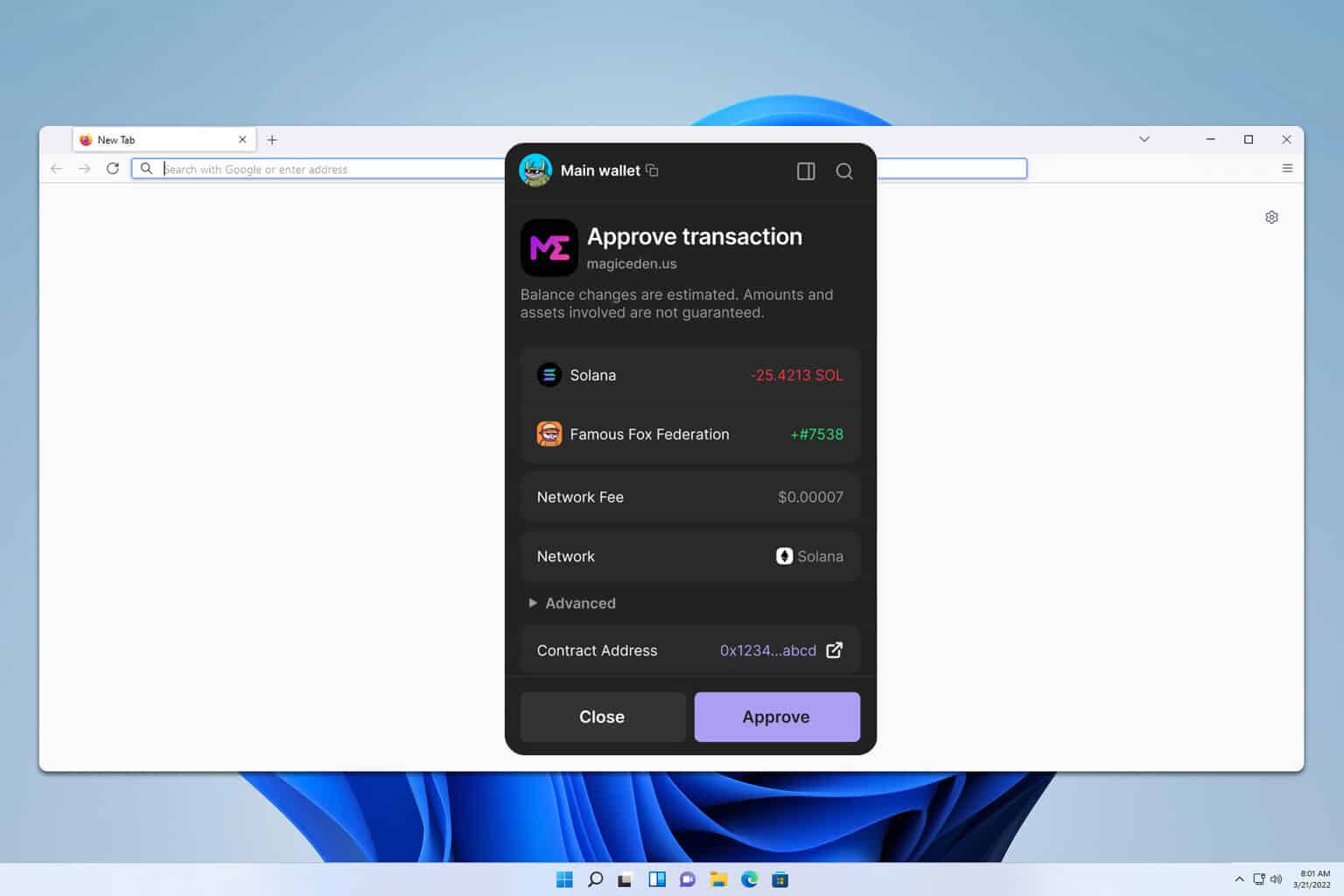
Another tip: when approving transactions, read the transaction details. The wallet often summarizes token amounts and destination addresses—match them to what the dApp shows. If lines don’t match, cancel. I know that sounds tedious, but after a near-miss I now make it routine. Little routines keep you safe.
FAQ
Is Phantom the only Solana browser wallet I should trust?
No. Phantom is popular and well-integrated, but there are alternatives. Each wallet balances UX, security, and features differently. Evaluate reputations, open-source status, and community feedback. If you’re moving big sums, consider hardware-backed options.
What if I lose my seed phrase?
Lost seed phrases generally mean lost funds. If you lose it, try to recover any backups you made. After that, transfer what you can (if you still have access) to a new wallet and new seed phrase immediately. Future-proof: make multiple secure backups in different physical locations.
Can browser extensions be hacked?
Yes. Extensions run in the browser and inherit some of its risks. Malicious extensions, compromised dependencies, or targeted browser exploits can put keys at risk. Updates, minimal extension sets, strict permission hygiene, and hardware wallets reduce these risks significantly.